
Productscpzx

| Type | Structural Features | Density Range (kg/m³) | Common Thickness (mm) | Color | Primary Applications |
| Standard EPE Roll/Sheet | Independent closed cells, pearl-like cross-section | 15-30 | 0.5-20 | White (predominant) | General packaging liners, protective cushioning, insulation filling |
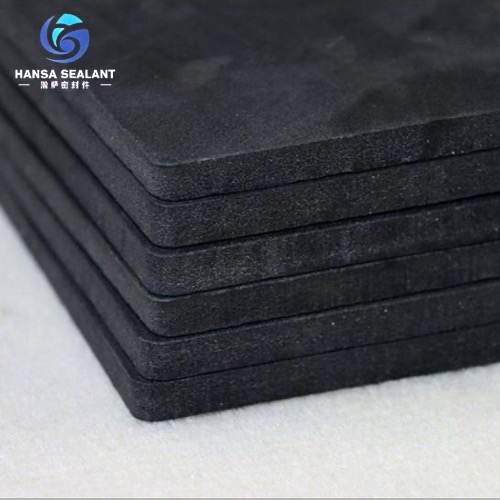
| Anti-Static EPE | Contains permanent anti-static agents; surface resistivity 10⁶-10⁹ Ω | 20-30 | 2-10 | Pink, Black | Packaging and handling of electronic components, PCBs, precision instruments |
| Flame-Retardant EPE | Formulated with eco-friendly flame retardants; can achieve UL94-HF1 rating | 20-35 | 2-20 | White, Grey | Transport packaging and building insulation where fire resistance is required |
| Composite EPE Board | EPE laminated with HDPE film, aluminum foil, metallized film, etc. | 20-40 | 1-50 | Varies by laminate | High-end protective packaging, building insulation, cold chain containers |
| Colored EPE | Incorporates color masterbatch for identification or aesthetics | 15-30 | 1-10 | Various | Gift packaging, crafts, differentiated packaging zones |
Technical Parameters and Performance Indicators
Physical and Mechanical Properties
| Performance Indicator | Standard EPE (Density ~25 kg/m³) | High-Density EPE (Density ~35 kg/m³) | Test Standard |
| Density (kg/m³) | 15-30 | 30-45 | ISO 845 |
| Tensile Strength (MPa) | ≥ 0.15 | ≥ 0.25 | ISO 527 |
| Elongation at Break (%) | ≥ 100 | ≥ 120 | ISO 527 |
| Compressive Strength (kPa, at 25% strain) | 20-50 | 50-100 | ISO 844 |
| Compression Set (%) (50% compression, 22h) | ≤ 5 | ≤ 4 | ISO 1856 |
| Resilience / Rebound (%) | ≥ 35 | ≥ 40 | ASTM D3574 |
| Water Absorption (kg/m²) | < 0.01 | < 0.01 | ISO 2896 |
Thermal and Environmental Properties
| Performance Indicator | Typical Value / Range | Test Standard |
| Thermal Conductivity (W/m·K, at 23°C) | 0.032 - 0.040 | ISO 8301 / ASTM C518 |
| Service Temperature Range (°C) | -60 to +80 (short-term up to 100) | — |
| Flame Rating | Standard type is flammable. Flame-retardant grades can achieve UL94-HF1. | UL 94 |
| Water Vapor Transmission Rate (g/m²·24h) | < 1 (at 38°C, 90% RH) | ASTM E96 |
Typical Application Areas
Application Area
Specific Uses
Recommended Type / Density
Key Requirements
Precision Instrument & Electronics Packaging
Cushioning liners, corner protectors for computers, displays, cameras, medical devices
Anti-Static EPE, Standard EPE; Density 20-30 kg/m³
Superior cushioning, ESD protection, low particulate generation, custom die-cutting capability
Construction & Interior Fit-Out
Underlayment for flooring/underfloor heating, cavity wall insulation, cold room panels
Standard/Flame-Retardant EPE, Aluminum-laminated; Density 20-30 kg/m³
Thermal insulation & vapor barrier, compression resistance, eco-friendly, easy installation
Cold Chain Logistics
Insulated shipping containers, refrigerated truck body insulation, perishables packaging
Aluminum-foil composite EPE board, High-Density EPE; Density 25-40 kg/m³
Sustained thermal performance, moisture barrier, lightweight, reusability
Sports, Leisure & Fitness
Yoga mats, gym equipment padding, children's play mats, pool floats
Colored EPE, High-Resilience EPE; Density 25-35 kg/m³
Safe, non-toxic, comfortable, waterproof, easy to clean, vibrant colors
Automotive Industry
Interior component padding, door water barrier films, wire harness wrap, NVH materials
Flame-Retardant/Composite EPE; Density 25-40 kg/m³
Lightweight, acoustic damping, temperature resistance, compliance with automotive VOC standards
Household & General Use
Furniture edge protectors, glass tabletop pads, craft inserts, pipe insulation
Standard/Colored EPE; Density 15-30 kg/m³
Soft protective surface, easy to cut and adhere, cost-effective
Processing and Secondary Fabrication Guide
1. Basic Fabrication
Cutting: Easily cut with utility knives, hot-wire cutters, slitting machines, or CNC routers.
Stamping/Die-Cutting: Ideal for producing complex-shaped protective inserts using steel rule dies for high-volume efficiency.
Lamination/Bonding: Can be bonded using hot-melt adhesives, water-based adhesives, or by thermal welding (using a heat gun or laminator) which exploits the material's own melt properties.
Printing: Surfaces are suitable for screen printing or flexographic printing for adding logos, instructions, or decorative elements.
2. Thermoforming (For Custom Packaging)
Principle: Utilizes the shape-memory characteristic of heated EPE sheets. Using vacuum forming or press molding, sheets are formed into precise, contoured packaging inserts.
Advantage: Enables customized, full-wrap protection for products, facilitates automation, and delivers a professional finish.
Selection Decision Matrix
Application Scenario
Primary Performance Requirement
Recommended Type
Density Suggestion (kg/m³)
Key Fabrication Considerations
Laptop Transport Packaging
High cushioning, ESD protection, lightweight
Anti-Static EPE
25-30
Precision die-cutting to fit specific carton or box dimensions
Underfloor Heating Insulation
Thermal efficiency, long-term load-bearing, environmental safety
Aluminum-foil Composite EPE Board
25-35
Ensure all panel joints are sealed with foil tape tomaintain a continuous vapor barrier
Reusable Fresh Food Shipper
Sustained thermal retention, waterproof, durable for multiple uses
Aluminum-film Composite High-Density EPE Board
30-40
Design for seamless heat-sealed construction to ensure box integrity and airtightness.
Yoga/Exercise Ma
Resilience, surface grip, non-toxic, easy maintenance
Colored/Printed EPE Sheet
30-40
Surface can be laminated with a textured PE film or fabric layer for enhanced comfort and slip resistance.
Automotive Door Water Barrier
Moisture barrier, sound damping, lightweight, flame retardant
Flame-Retardant Composite EPE
30-40
Pre-die-cut to exact door panel contours, often supplied as a laminate with a plastic film for simplified installation.
Industry-Specific Custom Solutions
1. High-End Electronics & Component Logistics
Demand: ESD protection, superior shock absorption, moisture resistance, custom-fitted inserts, reusability.
Solution: Utilize Anti-Static EPE to fabricate precision, form-fitting inserts via CNC machining or die-cutting. Designs can incorporate foldable, "one-piece" construction to minimize assembly time.
Application: Packaging for server components, precision optical devices, semiconductor wafer carriers.
2. Green Building & Passive House Construction
Demand: Non-combustible assembly (when combined with appropriate facings), high insulation value (R-value), air/moisture barrier performance, full lifecycle sustainability.
Solution: Composite panels combining flame-retardant EPE with non-combustible facers (e.g., gypsum board, magnesium oxide board) to create insulated wall or roof systems.
Application: Interior insulation for walls and roofs in passive house and other high-performance buildings.
3. Returnable Transport Packaging (RTP)
Demand: Durability, low weight, collapsibility/stackability, cleanability, asset tracking compatibility.
Solution: Engineered solutions combining high-density EPE with structural plastic or metal frames to create collapsible totes, dunnage, and dividers.
Application: Closed-loop transport systems for automotive parts, aerospace components, and industrial goods.
4. Agriculture & Horticulture
Demand: Root zone insulation, moisture retention, weed suppression, physical protection for plants.
Solution: Use of black EPE sheets as greenhouse floor insulation/weed mat, or as a protective wrap for root balls during plant transport.
Application: Greenhouse flooring, nursery plant protection, soil temperature moderation.
Storage & Maintenance
Storage Conditions
Environment: Store in a dry, cool, and well-ventilated warehouse. Keep away from heat sources, open flames, and strong oxidizing agents. Protect from prolonged direct sunlight to prevent degradation and embrittlement.
Stacking: Rolls should be stored on end. Sheets can be stacked flat. Avoid excessive stacking heights to prevent permanent compression deformation.
Shelf Life: Material properties remain stable under recommended conditions, allowing for extended storage periods.
Usage and Maintenance
Cleaning: Wipe surfaces with a damp cloth. For stains, use a mild detergent solution and air dry. Do not use aggressive solvents.
Repair: Minor damage can be repaired using PE-compatible adhesive tape or by heat-welding with a hot-air tool.
End-of-Life/Recycling: PE foam is 100% thermoplastic and recyclable. Segregate waste streams for collection. Material can be granulated and reprocessed into lower-grade products or utilized for energy recovery.
Development Trends
Technological Development Directions
1. Performance Enhancement: Development of ultra-low density (<15 kg/m³) grades with improved strength and ultra-high density (>50 kg/m³) grades for structural load-bearing applications.
2. Multifunctionality: Integration of permanent anti-static properties, enhanced flame retardancy, antimicrobial features, and controlled (photo/biodegradation) properties.
3. Sustainable Formulations: Increased use of post-consumer recycled (PCR) content and development of foams based on bio-polyethylene from renewable resources.
4. Digital Fabrication: Adoption of 3D scanning and automated CNC cutting for rapid prototyping and production of custom packaging solutions for complex geometries.
Market Application Expansion
1. New Energy Sector: Application as thermal runaway barriers and cushioning elements within electric vehicle battery packs, demanding high flame retardancy and thermal stability.
2. Technical Packaging: Use in demanding fields such as military, aerospace, and medical device packaging, requiring proven performance across extreme environmental conditions.
3. Controlled Environment Agriculture (CEA):* Utilization as a sterile, lightweight, water-retentive substrate material for hydroponic and vertical farming systems.
4. Personal Protective Equipment (PPE): Incorporation into energy-absorbing liners for helmets, protective padding for sports gear, and other safety applications.
Summary
PE Foam Board (EPE/Expanded Polyethylene) has established itself as a fundamental material across modern industry due to its exceptional combination of lightweight cushioning, effective thermal insulation, and reliable moisture resistance. Its inherent safety, environmental profile, and versatile processability further solidify its value. Evolving from a basic protective packaging material, it is increasingly engineered for high-performance, functional, and sustainable applications in sectors ranging from advanced electronics and green construction to electric mobility and circular logistics. Strategic selection based on density, functional additives, and appropriate fabrication methods is crucial to unlocking its full potential. As industries continue to prioritize efficiency, sustainability, and protection, PE foam is poised for continued growth and innovation in its applications.


