
Productscpzx

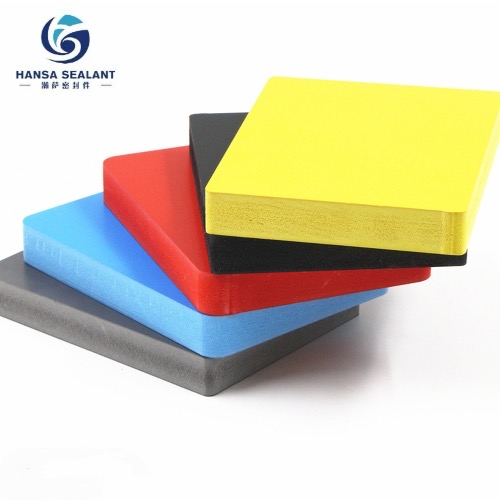
Material Types & Specification System
Type
Structural Characteristics
Density Range (g/cm³)
Common Thickness (mm)
Standard Sheet Size (mm)
Core Process
Typical Applications
Free Foam Board
Matte surface, no skin, open cells
0.35 - 0.70
1 - 25
1220×2440 / 1560×3050 / 2050×3050
Free Foam Extrusion
Advertising displays, screen printing, mounting, signage, lightboxes
Celuka Foam Board
Dense smooth skin, cellular core
0.55 - 0.80
2 - 30
1220×2440 / Customizable
Celuka Extrusion + Quenching
Bathroom cabinets, kitchen doors, furniture, partitions, marine interiors
High-Density Foam Board
Low expansion ratio, near-solid
0.70 - 0.90
3 - 20
1220×2440 / Customizable
Low-Foam Extrusion
Chemical anti-corrosion liners, structural pads, jigs
Flame Retardant Reinforced Board
High loading of flame retardants
0.60 - 0.85
3 - 25
1220×2440
FR Additive Extrusion
Public works, rail transport, marine cabin interiors
Technical Parameters & Performance Indicators
Property
Free Foam Board (Typical)
Celuka Board (Typical)
Standard/Reference
Density (g/cm³)
0.50 - 0.70
0.55 - 0.80
GB/T 6343
Tensile Strength (MPa)
12 - 18
15 - 22
GB/T 1040
Flexural Strength (MPa)
12 - 16
16 - 22
GB/T 9341
Flexural Modulus (MPa)
800 - 900
900 - 1200
GB/T 9341
Impact Strength (KJ/m²)
8 - 15
15 - 25
GB/T 1043
Elongation at Break (%)
15 - 20
10 - 15
GB/T 1040
Shore Hardness (D)
45 - 55
65 - 75
GB/T 2411
Vicat Softening Point (℃)
73 - 78
75 - 80
GB/T 1633
Water Absorption (%)
≤ 1.5
≤ 1.2
GB/T 1034
Limiting Oxygen Index (%)
≥ 35
≥ 35
GB/T 2406
Horizontal Burning
HB Class
HB Class
UL 94
Thermal Conductivity (W/m·K)
0.07 - 0.10
0.08 - 0.12
GB/T 10295
Typical Application Fields
Application Sector
Specific Uses
Recommended Type
Key Requirements
Advertising & Signage
Screen printing, digital cutting, display boards, signboards, lightboxes, mounting panels
Free Foam Board
Matte surface for ink adhesion, tight thickness tolerance, large sheet size
Furniture & Sanitary
Bathroom cabinets, kitchen door panels, office furniture, interior partitions
Celuka Foam Board
High surface hardness, scratch resistance, waterproof, dimensional stability
Architectural Decoration
Exterior cladding, ceiling panels, cleanroom partitions, commercial displays
Celuka/Free Foam Board
Class B1 flame retardancy, weatherability, wood-like aesthetics
Transportation
Train/bus ceiling panels, ship cabin interiors, sandwich panel cores
FR Reinforced/Celuka Board
Lightweight, high strength, low smoke, flame retardant, salt-spray resistant
Chemical Anti-Corrosion
Electroplating tank liners, acid-wash line enclosures, storage tank platforms
High-Density Foam Board
Chemical resistance, non-absorbent, electrical insulation
General Industrial & Civil
Sports equipment, aquaculture, coastal moisture barriers, model making
Standard Foam Board
Easy machinability, lightweight, water resistance
Processing, Joining & Installation Guide
1. Machining
- Sawing: Use fine-toothed circular or band saws; carbide-tipped blades (3-5mm tooth pitch) recommended. Coolant not required.
- Drilling: Standard woodworking twist drills or HSS bits (118° point angle). Back-up support necessary to prevent edge chipping.
- Routing/CNC: Single-flute spiral up-cut bits recommended. Speeds: 12,000-18,000 RPM; Feed rate: 4-8 m/min. Use compressed air for chip removal.
- Punching: High-volume small parts can be die-cut; die clearance approximately 5% of sheet thickness.
2. Joining & Assembly
- Mechanical Fastening: Self-tapping screws or wood screws can be driven directly; pre-drilling (slightly undersized) recommended. Mortise and tenon or locking joints feasible.
- Adhesive Bonding: PVC adhesives, chloroprene rubber (contact) adhesives, or polyurethane structural adhesives. Double-sided tape suitable for temporary fixing.
- Hot Gas Welding: Use PVC filler rod and hot air gun (250-350°C) for corner or butt welding; weld strength可达80% of base material.
- Thermoforming: Heat to 120-160°C (oven or infrared). Sheet softens and can be vacuum formed or free-bent over molds; retains shape upon cooling.
3. Surface Finishing
- Printing: Screen printing, UV flatbed printing, heat transfer. Free foam board's matte surface requires no pretreatment; excellent adhesion.
- Lamination: Pre-applied PVC decorative film, wood grain film, high-gloss film applied via vacuum pressing or roller laminator.
- Painting: Acrylic or polyurethane primer + topcoat systems recommended. Sanding of substrate typically not required.
Selection Decision Matrix
Application Scenario
Primary Performance Requirement
Recommended Product Type
Critical Considerations
Outdoor Advertising Signage
Weatherability, UV stability
Free Foam Board (UV-stabilized)
Verify UV absorber additive; Thickness ≥ 5mm
Bathroom/Kitchen Cabinet Doors
High surface hardness, water/chemical resistance
Celuka Foam Board
Surface hardness ≥ Shore D65; PVC film wrapping recommended
Chemical Plant Partitions
Corrosion resistance, flame retardancy, cleanability
High-Density Celuka Board
Density ≥ 0.7 g/cm³; Welded seam sealing
Marine/Rail Interiors
Low smoke, flame retardancy, light weight
FR Reinforced Foam Board
LOI ≥ 35; Smoke density rating ≤ 75
Interior Decorative Moldings
Machining precision, wood-like feel
Celuka Foam Profile
Account for thermal expansion coefficient
Low-Cost General Purpose Pads
Economy, easy replacement
Free Foam Board
Control filler content to prevent embrittlement
Industry Customized Solutions
Rail Transit Interior Systems
Requirement: Ceiling panels, wall panels, floors for EMUs/subways. Density < 0.8 g/cm³, EN45545 HL3 flame retardancy, low smoke, non-toxic.
Solution: High FR Celuka PVC foam board. LOI ≥ 42, smoke density < 200. Surface laminated with scratch-resistant decorative film.
Application: Toilet units, luggage rack side panels for China Standard EMUs (Fuxing).
Semiconductor Wet Process Anti-Corrosion Structures
Requirement: Enclosures for wafer cleaning baths, protective covers for acid/alkali supply systems. Resistant to strong acids/bases, no metallic ion leaching.
Solution: High-purity PVC Celuka foam board. Welded construction; all exposed corners thermoformed with radii.
Application: Auxiliary facilities in wet etch areas of 12-inch wafer fabs.
Cold Chain Logistics Insulated Containers
Requirement: Vaccine/biologics transport boxes. Superior insulation, light weight, reusable.
Solution: PVC foam board laminated with aluminum foil. Thermal conductivity ≤ 0.08 W/m·K. Corners welded sealed.
Application: Medical cold chain totes, internal partitions for mobile nucleic acid testing units.
Marine Aquaculture Facilities
Requirement: Walkways for deep-sea net pen platforms, float covers. Long-term seawater immersion, biofouling resistance.
Solution: High-density free foam board. Zero water absorption. Smooth surface inhibits barnacle attachment.
Application: Deck boxes for offshore farming vessels, auxiliary float components for anti-storm net pens.
Storage & Maintenance
Storage Conditions
Environment: Indoor storage. Avoid prolonged outdoor exposure to sun/rain. Warehouse should be dry, ventilated; relative humidity < 70%.
Stacking: Store flat on level pallets or skids. Stack height ≤ 1 meter. Avoid localized heavy loading causing permanent deformation. Cut parts should be stored vertically or flat in single layers.
Shelf Life: Follow FIFO. For stock > 2 years,建议 retest impact strength and Vicat softening point. UV-stabilized grades can achieve 10+ years outdoor service life.
In-Service Maintenance
Cleaning: Routine stains: neutral detergent + soft cloth. Ink residue: isopropyl alcohol or专用 cleaners. Avoid strong acids, alkalis, or abrasive cleaners.
Repair: Superficial scratches on Celuka boards can be cautiously wet-sanded (fine grit) or lightly heat-gunned. Deep gouges: filler repair or full replacement recommended.
Aging Inspection: Outdoor installations: inspect every 2 years for surface chalking, discoloration, impact strength degradation. Replace upon embrittlement, severe yellowing, or surface cracking.
Joint Maintenance: Mechanical fasteners:建议 annual re-torquing. Adhesive bonds: avoid prolonged contact with aggressive solvents.
Development Trends
Technical Development Directions
Ultra-Low Density: Pursuing density < 0.3 g/cm³ via advanced blowing modifier blends and process optimization for ultra-light, rigid boards, targeting substitution of certain EPE/PU foams.
Surface Functionalization: Development of in-line lamination, co-extruded colored cap layers, anti-fingerprint/antibacterial/self-cleaning surfaces to enhance value of pre-finished boards.
Bio-based & Circular Economy: Research into bio-based PVC (e.g., bio-ethylene feedstock), fully recyclable formulations; establishing high-value regeneration technologies for post-industrial/post-consumer foam board waste.
Functional Composites: Incorporating functional fillers (conductive, anti-static, EMI shielding, phase-change materials) into foaming systems, evolving towards engineered functional panels.
Market Application Expansion
Prefabricated Building Interiors: Integrated kitchens/bathrooms, rapid-install partition systems using PVC foam board as substrate to replace plywood, eliminating formaldehyde concerns.
New Energy Equipment: Packaging support pads for PV modules, anti-corrosion liners for energy storage cabinets, wind turbine blade transport fixtures.
Outdoor Landscape & Architecture: Wood-Plastic Composite (WPC) foam boards, combining wood-like aesthetics with complete waterproofing.
Medical Grade Panels: Antimicrobial/anti-fungal formulations, gamma radiation resistant grades for CT scanner rooms, operating theatre wall cladding.
Conclusion
PVC foam board, through its material design logic of "plastic matrix providing weatherability & corrosion resistance + microcellular structure providing light weight & insulation," has become one of the most commercially successful materials in the "plastic replacing wood" movement. From advertising signage to high-speed rail interiors, from chemical anti-corrosion to medical cold chain, its superior service life in harsh environments and low lifecycle cost drive continuous substitution of wood, metal, and traditional composite panels. As China has become the world's largest producer and consumer of rigid PVC foam products (exceeding 1.1 million tons capacity in 2017), the industry is transitioning from volume expansion to technological upgrading—evolving towards ultra-low density, advanced surfaces, and multifunctional integration. Driven by carbon neutrality goals and green building material policies, PVC foam board is upgrading from a general decorative material to a foundational functional material for emerging sectors including prefabricated construction, new energy equipment, and modern logistics.


