
Productscpzx

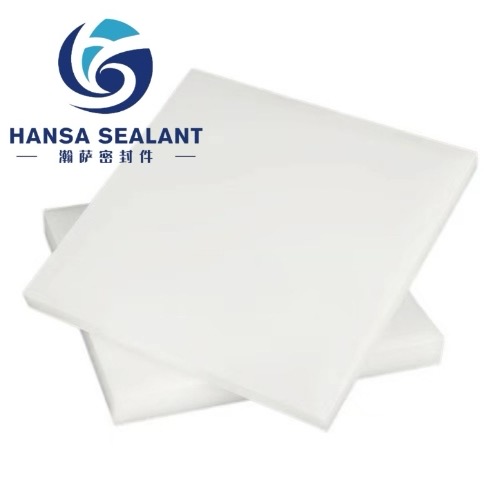
Introduction to PP Sheet (Polypropylene Sheet)
PP sheet, fully known as Polypropylene Sheet, is a plastic sheet produced from polypropylene resin through processes such as extrusion, calendering, cooling, and cutting.
PP is a highly versatile thermoplastic, and PP sheet is a fundamental profile made from this material. Due to its low cost, corrosion resistance, and ease of processing, it is one of the most widely used plastic sheets, often serving as an economical alternative to metal, wood, and more expensive plastics.
Core Characteristics and Advantages
Excellent Chemical Corrosion Resistance
Resistant to most acids, alkalis, salt solutions, and organic solvents at room temperature, particularly resistant to phosphoric acid, hydrofluoric acid, etc. This is the primary reason for its widespread use in the chemical industry.
Note: Not resistant to strong oxidizing acids (e.g., concentrated sulfuric acid, nitric acid) or chlorinated hydrocarbon solvents like benzene and toluene.
Low Density and Light Weight
Density is approximately 0.91-0.93 g/cm³, making it one of the lightest common plastics, much lighter than metal, facilitating handling and installation.
Good Mechanical Properties
Offers a balance of strength, stiffness, and toughness, with overall mechanical properties superior to PE (polyethylene) sheets.
Non-Toxic and Odorless, Environmentally Compliant
Pure PP sheet is non-toxic and odorless, meeting food hygiene standards (when food-grade raw materials are used). Suitable for food and drinking water applications.
Good Electrical Insulation
Non-conductive, can be used as an insulating material.
Easy to Process
Easily undergoes secondary processing such as cutting, drilling, planing, and welding (using hot air plastic welding guns) to create various equipment components.
Low Cost
Abundant raw material sources and low production costs result in extremely high cost-effectiveness.
Main Application Areas
The cost-performance advantage of PP sheet makes it very common in the following fields:
Chemical & Environmental Protection:
Electroplating Equipment: Used for making acid washing tanks, electrolytic tanks, linings, or complete tanks for waste gas and wastewater treatment towers.
Environmental Protection Equipment: Scrubbers, purification towers, ventilation ducts.
Water Treatment Industry:
Water tanks, ion exchange columns, linings for sewage treatment ponds.
Electronics & Semiconductor Industry:
Used for carrier trays, chemical solution tanks, wet process equipment, leveraging its purity and corrosion resistance.
Advertising & Decoration:
Used for printing backboards, signage, display boards, etc.
Machinery & Home Appliances:
Used as machine guards, insulating plates, refrigerator liners, etc.
Food & Pharmaceutical:
Cutting boards, equipment baffles, bottle cap gaskets, etc. (requires food-grade PP).
Common Types
Based on manufacturing process and properties, PP sheets are mainly divided into the following two types:
PP Homopolymer Sheet (PP Homo-polymer Sheet)
Composition: Polymerized from a single propylene monomer.
Characteristics: Relatively good rigidity and high strength, but lower toughness at low temperatures.
Applications: General structural parts, highly corrosive environments.
PP Extruded Sheet
The most common type, formed by continuous extrusion.
Characteristics: Smooth, flat surface and stable dimensions.
Applications: The vast majority of application scenarios.
Technical Parameters & Data Table
For a more intuitive understanding of its performance, please refer to the following table of typical parameters for PP sheet:
Typical Performance Parameters for PP Sheet
| Characteristic | Test Standard | Unit | Typical Value Range | Remarks |
|---|---|---|---|---|
| Density | ASTM D792 | g/cm³ | 0.90 - 0.93 | Very light |
| Tensile Strength | ASTM D638 | MPa | 25 - 38 | |
| Flexural Strength | ASTM D790 | MPa | 40 - 55 | |
| Impact Strength (Notched) | ASTM D256 | J/m | 20 - 60 | Moderate toughness, brittle at low temps |
| Heat Deflection Temperature | ASTM D648 | °C (at 0.45 MPa) | 100 - 110 | |
| Continuous Service Temperature | - | °C | 0 to +90 | Not high-temperature resistant |
| Vicat Softening Point | ASTM D1525 | °C | 150 - 155 | |
| Coefficient of Linear Thermal Expansion | ASTM E831 | 10⁻⁵/°C | 6 - 8 | Relatively high, consider in design |
| Dielectric Strength | ASTM D149 | kV/mm | 25 - 30 | Good insulator |
| Water Absorption | ASTM D570 | % | < 0.01 | Very low, almost non-absorbent |
| Flammability | UL94 | - | HB | Slow burning |
Conclusion
PP sheet is a versatile engineering plastic sheet whose core competitiveness lies in its "high cost-effectiveness" and "excellent corrosion resistance."
Its positioning is very clear:
When your application primarily involves acid/alkali corrosion and temperatures do not exceed 90°C.
When you need a lightweight, easy-to-process, and low-cost non-load-bearing structural material.
PP sheet is the most practical and economical choice.
It is a "Swiss Army knife" material in industries such as chemical processing, environmental protection, and water treatment. While its absolute performance (e.g., strength, temperature resistance) may not match some engineering plastics, its unparalleled cost-effectiveness ensures an unshakable position in a wide range of industrial fields. Special attention must be paid to its low-temperature brittleness and poor resistance to strong oxidants during material selection.


