
Productscpzx

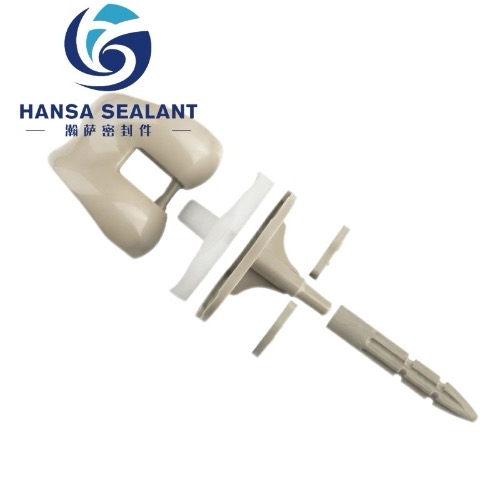
Leveraging these comprehensive advantages, PEEK artificial knee components are widely used in primary and revision total knee replacement surgeries. They are particularly suitable for patients with metal allergies, those requiring MRI examinations, or those pursuing higher levels of physical activity. They provide a reliable joint function reconstruction solution for patients suffering from degenerative knee diseases, traumatic arthritis, rheumatoid arthritis, and other conditions.
Basic Properties
Item
Parameter/Description
Test Standard
Characteristics
Core Material
Medical-grade PEEK (ISO 13485 certified)
ASTM F2026
Biocompatible / Radiolucent
Reinforced Type
CFR-PEEK (Carbon Fiber Reinforced)
—
Adjustable elastic modulus, closer to cortical bone
Color
Natural amber (inherent color)
—
Radiolucent, facilitates assessment via X-ray
Density
1.3-1.45 g/cm³ (PEEK) 1.5-1.6 g/cm³ (CFR-PEEK)
ISO 1183
Lighter than cobalt-chromium alloy (~8.5 g/cm³)
Long-term Use Temp
Can withstand short-term sterilization at 300°C
—
Stable with routine steam/radiation sterilization
Mechanical & Biomechanical Properties
Parameter
PEEK Standard Value
CFR-PEEK Value
Test Method
Elastic Modulus
3-4 GPa
15-20 GPa (Adjustable)
| ISO 527
Tensile Strength
≥90 MPa
≥200 MPa
ISO 527
Fatigue Limit (10⁷ cycles)
50-70 MPa
80-100 MPa
ISO 1099
Wear Rate (vs. UHMWPE)
≤0.05 mm³/million cycles
≤0.03 mm³/million cycles
ISO 14243
Creep Resistance (37°C/20MPa)
Deformation rate < 1%/year
Deformation rate < 0.5%/year
ISO 899-1
Biocompatibility & Clinical Performance
Performance
In Vitro Cytotoxicity
In Vivo Osseointegration
Imaging Compatibility
Standard/Result
Complies with ISO 10993-5 (Non-toxic)
Bone ingrowth rate increased by 30-50% with surface treatment
No artifacts in MRI/CT, Semi-radiolucent on X-ray
Test/Condition
L929 Cell Culture Animal Model (Sheep/Rabbit)
Animal Model (Sheep/Rabbit) 12 Weeks
1.5T/3T MRI Field Strength
Key Advantage
No metal ion release, extremely low allergy risk
Micro-porous surface or HA coating promotes osseointegration
No special imaging restrictions postoperatively
Component Specifications
Parameter
Standard Range
Special Customization
Component Type
Femoral Condyle, Tibial Tray, Patellar Component
Unicompartmental/Total Knee, Revision Systems
Size Range
Small/Medium/Large (Covers most populations)
Extra Small/Extra Large, Anatomically Matched
Fixation Method
Cemented, Press-fit, Porous-coated
Combined Fixation (Screws/Trabecular Metal Wedges/Blocks)
Surface Treatment
Smooth Articular Surface, Micro-porous Bone-contact Surface
Hydroxyapatite (HA) Coating, 3D-Printed Porous Structure
Certifications & Standards
Certification Type
Standard Number
Applicable Scope/Requirement
Medical Device Quality Management
ISO 13485
Full process of design and production
Biocompatibility
ISO 10993 Series
Comprehensive biological evaluation
US Market Access
FDA 510(k) / PMA
—
EU Medical Device Regulation
MDR (EU) 2017/745
CE Marking
China Registration
NMPA Class III Registration
High-risk implant approval
Clinical Indications Reference Table
Patient/Condition Characteristics
Recommended Component Type
Alternative/Notes
Patients with Metal Allergy History
All-PEEK or CFR-PEEK System
Zirconia Ceramic-coated Metal Components
Young, Highly Active Patients
CFR-PEEK (High Fatigue Resistance)
Highly Cross-linked Polyethylene + Cobalt-Chromium Alloy
Patients Requiring Frequent MRI Follow-up
All-PEEK System
Specific Non-magnetic Alloys (e.g., Titanium Alloy)
Osteoporosis/Poor Bone Quality
Low Modulus PEEK, with Porous Coating
Traditional Metal Stem + Cement Augmentation
Single Compartment Disease
PEEK Unicompartmental Replacement Component
Metal Unicondylar or High Tibial Osteotomy
Economic & Clinical Benefit Parameters
Type
Estimated Service Life
Revision Rate (10 Years)
Comprehensive Cost-Effectiveness Ratio
Standard PEEK Total Knee
20-25 Years
< 5%
Higher than Metal-Polyethylene Systems (Reduces Secondary Revisions)
CFR-PEEK High-Activity Type
25+ Years
< 3% (Estimated)
Higher initial cost, significant long-term benefits
PEEK Unicondylar
15-20 Years
< 8%
Preserves bone stock, easier conversion to total knee during revision
Key Notes
1. Surgical & Implantation Points:
Bone Bed Preparation: Requires precise matching to the bone-contact surface requirements of PEEK components to ensure initial stability.
Fixation Choice: Cemented fixation requires ensuring uniform cement interdigitation; cementless fixation requires good bone quality and accurate press-fit.
2. Postoperative Rehabilitation & Imaging:
The radiolucency of PEEK requires surgeons to be familiar with its imaging appearance to avoid misinterpretation as loosening.
Rehabilitation protocols are similar to those for metal knees, but MRI examinations for soft tissue evaluation can be performed earlier.
This product has been successfully applied in:
Knee replacements for metal allergy patients across multiple European centers (over 1000 cases, >95% success rate at 10-year follow-up).
High-activity knee replacements for young patients in sports medicine hospitals (CFR-PEEK components, allowing return to activities like running).
Custom PEEK components for tumor knee reconstruction (combined with 3D printing for personalized anatomical reconstruction).


