
Productscpzx

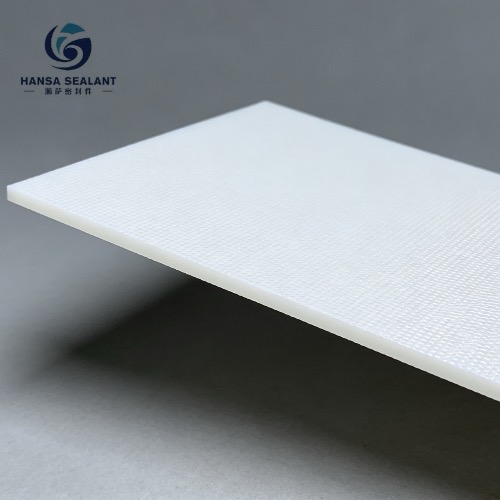
Material Systems and Specification Parameters
Type
Substrate Weight (g/m²)
Adhesive Thickness (mm)
Total Thickness(mm)
Peel Strength (N/25mm)
Operating Temp. (°C)
Typical Color
Standard
80-120
0.05-0.10
0.15-0.25
15-25
-20~120
White / Beige
High-Temperature
100-150
0.08-0.15
0.20-0.35
12-20
-40~260
Gold / Silver
High-Strength
150-300
0.10-0.20
0.25-0.50
20-35
-30~150
Black / Blue
Conductive
120-200
0.07-0.12
0.18-0.32
10-18
-20~180
Gray / Black
Flame-Retardant
100-180
0.05-0.10
0.16-0.30
13-22
-20~200
Red / Orange
Chemical-Resistant
130-220
0.10-0.18
0.23-0.40
18-30
-60~150
Green / Blue
Typical Application Fields
Application Field
Specific Product/Component
Functional Requirements
Recommended Type
Electronics
PCB Reinforcement, FPC Fixation, EMI Shielding
Dimensional Stability, Insulation, Heat Resistance
Standard / Conductive
Automotive Industry
Wiring Harness Fixation, Interior Trim Bonding, NVH Control
Vibration Resistance, High/Low Temp Resistance, Flame Retardancy
High-Temperature / Flame-Retardant
Aerospace
Interior Panel Bonding, Cable Tying, Thermal Insulation Bonding
Lightweight, Extreme Temperature Resistance, Low Smoke Toxicity
High-Temperature / High-Strength
Construction
Curtain Wall Seams, Concrete Reinforcement, Waterproofing Protection
Weather Resistance, High Strength, Long-Term Durability
Chemical-Resistant / High-Strength
Wind Energy
Blade Web Bonding, Cable Fixation, Lightning Protection Grounding
Fatigue Resistance, UV Resistance, Long-Term Reliability
High-Strength / Chemical-Resistant
Shipbuilding
Cabin Decoration, Pipe Fixation, Anti-corrosion Layer Protection
Salt Spray Resistance, Flame Retardancy, Vibration Resistance
Flame-Retardant / Chemical-Resistant
Application Case Studies
1. Structural Reinforcement of New Energy Vehicle Battery Pack
Problem: Vibration-induced cracking of battery pack casing, compromising safety and sealing.
Solution: Used 300 g/m² High-Strength adhesive-backed fiberglass cloth in an X-pattern overlay.
Result: Stiffness increased by 40%, fatigue life extended by 3 times, weight increased by only 2%.
Process Key Point: Surface plasma treatment, followed by 60°C hot pressing for 30 seconds to enhance bonding.
2. Rapid Repair of 5G Base Station Radome
Conditions: Outdoor radome crack, requiring quick repair while maintaining signal transparency.
Solution: Used wave-transparent, low dielectric constant adhesive-backed fiberglass cloth (ε < 3.5), applied in two layers.
Result: Service restored within 2 hours, signal attenuation < 0.2 dB, weather-resistant for over 3 years.
Innovation: Utilized UV-curable adhesive layer, which strengthens automatically under sunlight.
3. Seismic Reinforcement of Historical Building Brick Wall
Challenge: Improve seismic capacity without altering appearance, using reversible repair methods.
Solution: Applied unidirectional high-strength adhesive-backed fiberglass cloth (tensile strength > 800 MPa) to the interior wall surface.
Result: Lateral force resistance increased by 60%, effective crack propagation control.
Feature: Used removable adhesive, allowing for non-destructive removal in the future.
Industry Solutions
Reinforcement Solution for Slim Consumer Electronics
Pain Point Bending risk for phones/tablets, extremely limited internal space.
System Solution:
1. Local Reinforcement: Apply at stress concentration points like hinges and connectors.
2. Material Optimization: Use ultra-thin (0.08 mm) high-strength fiberglass cloth.
3. Adhesive Design: Low modulus, high toughness adhesive to avoid stress concentration.
4. Automated Application: Robotic precision placement, efficiency of 200 units/hour.
Performance Metrics: Bending stiffness increased by 50%, thickness increase < 0.1 mm, passes 100,000 bend cycle tests.
Vibration Damping and Noise Reduction Solution for Rail Transit
Problem: Excessive noise and vibration in train carriages affecting passenger comfort.
Composite Damping Solution:
1. Constrained Layer Damping: Adhesive-backed fiberglass cloth + damping adhesive + constraining steel plate.
2. Free Layer Damping:Directly applied to vibrating surfaces.
3. Zoned Design: Use different weights and adhesive types for different areas.
Result: Noise reduction of 8-12 dB in key frequency bands, vibration reduction > 70%.
Cost-effectiveness: 30% lighter and 40% lower cost compared to traditional welded stiffeners.
Manufacturing and Repair Solution for Large Wind Turbine Blades
Full Lifecycle Service Solution:
Manufacturing Phase:
Web-to-Shell Bonding: High-strength type, peel strength after cure > 30 N/mm.
Leading Edge Protection: Wear/erosion-resistant type, doubles rain erosion life.
Operation & Maintenance Phase:
Rapid Inspection: Drone-mounted infrared detection to locate damage.
On-site Repair: Prepreg rapid-cure type, allows operation resumption within 4 hours.
Preventive Reinforcement:Pre-apply enhanced type to vulnerable areas.
Data Support:
Create a digital twin of the blade to predict damage progression.
Material property database to match the optimal repair solution.
Technical Comparison Guide: Adhesive-Backed Fiberglass Cloth vs. Other Reinforcement Materials
Property
Adhesive-Backed Fiberglass Cloth
Carbon Fiber Prepreg
Aluminum Foil Tape
Reinforced Plastic Sheet
Tensile Strength (MPa)
300-1000
800-2000
50-100
80-200
Modulus (GPa)
20-40
100-200
70
3-10
Thickness (mm)
0.1-0.5
0.1-0.3
0.05-0.2
0.5-3.0
Application Convenience
Excellent (Peel-and-stick)
Poor (Requires autoclave)
Excellent
Medium (Requires adhesive)
Cost (CNY/m²)
30-100
200-500
10-30
50-200
Conductivity
Insulative (Conductive optional)
Conductive
Conductive
Insulative
Temperature Resistance (°C)
-60~260
-50~180
-40~150
-40~120
Typical Applications
Rapid reinforcement, Damping
Primary load-bearing structures
EMI shielding, Grounding
Cosmetic repair
Selection Decision Matrix
Application Requirement
Priority Recommendation
Alternative Option
Not Recommended
Key Metrics
Rapid On-site Repair
Standard Adhesive-Backed Fiberglass Cloth
Fast-cure adhesive + Fiberglass cloth
Prepreg
Initial Tack, Working Time
High-Temp Env. (>200°C)
Silicone Adhesive-Backed Fiberglass Cloth
High-Temp Epoxy Prepreg
Acrylic Type
Tg Temperature, Thermal Weight Loss
High-Strength Reinforcement
Unidirectional High-Strength Type
Carbon Fiber Prepreg
Aluminum Foil Tape
Tensile Strength, Modulus
Electrical Insulation
Standard / High-Temp Type
Mica Tape
Conductive Type
Dielectric Strength, Volume Resistivity
Vibration Damping & Noise Reduction
Constrained Layer Damping Type
Self-adhesive Damping Sheets
Standard Fiberglass Cloth
Loss Factor, Modulus
Chemical Resistance
Chemical-Resistant Type
PTFE Tape
Standard Rubber Adhesive
Chemical Compatibility Test Data
Wave Transparency Requirement
Wave-Transparent Type
Foam Tape with Wave Transparency
Metal-reinforced Type
Dielectric Constant, Loss Tangent
Performance Parameter Table (Typical Products)
Test Item
Standard Type
High-Temp Type
High-Strength Type
Test Method
Substrate Weight (g/m²)
120±10
120±10
200±20
ASTM D3776
Total Thickness (mm)
0.18±0.02
0.25±0.03
0.25±0.03
ASTM D3652
180° Peel Strength (N/25mm)
20±3
15±2
15±2
ASTM D3330
Tensile Strength (MPa)
350±50
400±60
800±100
ASTM D5035
Elongation at Break (%)
3.5±0.5
2.8±0.4
2.0±0.3
ASTM D5035
Operating Temperature (°C)
-30~120
-60~260
-40~180
-
Volume Resistivity (Ω·cm)
10¹⁴
10¹³
10¹⁴
ASTM D257
Dielectric Strength (kV/mm)
15
12
18
ASTM D149
Flame Retardant Rating
-
V-0
V-0
UL94
Salt Spray Resistance (1000h)
No significant change
No significant change
No significant change
ASTM B117
Installation and Application Guide
Surface Preparation Requirements
Cleanliness: Surface cleanliness should reach ISO 8501-1 Sa2.5 grade.
Roughness: Ra 1.6-6.3 μm is ideal; overly smooth surfaces require abrasion.
Dryness: Moisture content < 4%, apply when relative humidity < 85%.
Temperature: Substrate temperature 10-40°C; preheat if below 5°C.
Five-Step Application Method
Surface Preparation: Degrease with solvent wipe, lightly sand if needed.
Material Cutting: Cut 10-20 mm larger than the target area on all sides.
Positioning & Lamination: Gradually laminate from one end, expelling air bubbles.
Rolling & Compaction: Use a silicone roller at 50-70 N/cm pressure for 3-5 passes.
Edge Treatment: Strengthen edges with a seam roller; seal edges if necessary.
Quality Control Key Points
Initial Adhesion: Should have > 5 N/25mm peel strength within 5 minutes of application.
Bubble Control: Total bubble area ≤ 2% of total, individual diameter < 10 mm.
Lap Requirements: Longitudinal lap ≥ 50 mm, transverse lap ≥ 30 mm.
Cure Time: Full strength achieved in 24-72 hours (varies by adhesive type).
Technology Frontiers
Intelligent Function Integration
Self-Monitoring Type: Embedded fiber optic sensors for real-time strain/temperature monitoring.
Self-Healing Type: Microcapsule technology for automatic repair agent release upon damage.
Responsive Type: Thermochromic/Photochromic properties to indicate stress state or damage.
High-Performance Composite Materials
Carbon Nanotube Reinforcement: Increases tensile strength by 50%, improves conductivity/thermal conductivity.
Aramid Hybrid Weave: Improves impact resistance by 3 times, enhances toughness.
Basalt Fiber Substrate: Increases temperature resistance to 800°C, environmentally friendly and recyclable.
Advanced Manufacturing Technologies
3D Printed Adhesive Layers: Custom adhesive patterns based on stress distribution.
Laser Surface Texturing: Micro-nano structures enhance mechanical interlocking.
Online Quality Monitoring: Infrared thermography to detect lamination quality.
Eco-friendly & Sustainable Technologies
Bio-based Adhesives: Made from renewable resources, reduces VOC emissions by 90%.
Recyclable Design: Thermally reversible adhesives for easy material separation and recycling.
Low-Temperature Curing: Reduces energy consumption by 60%, suitable for heat-sensitive substrates.
Future Development Trends
Multi-functional Integration: Evolving from single reinforcement to integrated functions: reinforcement, damping, sensing, shielding.
Digital Design & Application: CAE-based optimization, AR-assisted installation, IoT health monitoring.
Adaptability to Extreme Environments: Reliable application in deep space, deep sea, nuclear environments.
Personalized Custom Services: Flexible manufacturing for small batches & high variety, performance combinations tailored to client needs.
Full Lifecycle Management: Closed-loop management from raw materials to recycling, carbon footprint tracking.
Cross-disciplinary Innovation: Integration of materials science, mechanics, electronics, biology, etc.
Conclusion
Adhesive-backed fiberglass cloth, as a lightweight, high-strength, and easy-to-apply composite material, plays an increasingly important role in modern industry. With continuous innovation in material and application technologies, it is transitioning from a traditional auxiliary material to a functional, intelligent core material. Correctly selecting and applying adhesive-backed fiberglass cloth can significantly enhance product performance and reliability with minimal weight and cost penalties. It represents a crucial technological direction for future lightweight and green manufacturing.


